
Most companies approach field marketing for events with check-the-box style marketing. The ones that win treat them like media channels. If you want my candid thoughts: Most event marketing is forgettable, and wildly expensive. But that’s not how we run the show.
You’ve seen it. A branded booth, cheap swag, a scanner full of “leads” that never turn into pipeline. Everyone goes home, uploads contacts into a CRM, and pretends it worked. Let’s fix this.
Here are 3 key points to drive ROI in Field Marketing for events in 2026:
- Events are not about leads → they’re about pipeline + influence → Brand Marketing at its’ finest.
- Booth traffic ≠ success → pre-show strategy + correct ICP targeting → TOF pipeline engagement.
- Pre-event + post-event matter more than the event itself → out-reach, scheduled meetings, coordinating with other sponsors and key players in the industry → a 1-2 punch for field marketing and networking success.
Don’t get distracted by cheap swag and after parties, focus on the right things before the event, get your team whipped into shape, and lock down your schedule with valuable connections before you board your flight or even jump in the car.
I Wore a Gorilla Suit to a Marketing Event
And I have the pictures to prove it. Don’t judge me to harshly. It was 2013 and photo quality wasn’t up to much. This was not meant as a gimmick, but a deliberate strategy to break pattern, start conversations, and create something people actually remembered. It worked better than any polished booth I’d ever run. Not because it was ridiculous (it was), but because it forced attention in a room where everyone else was playing it safe.
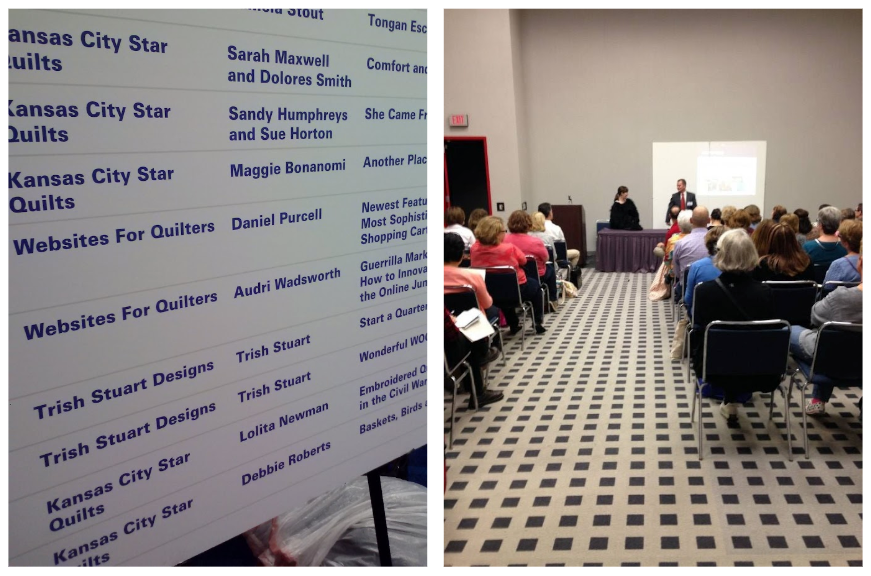
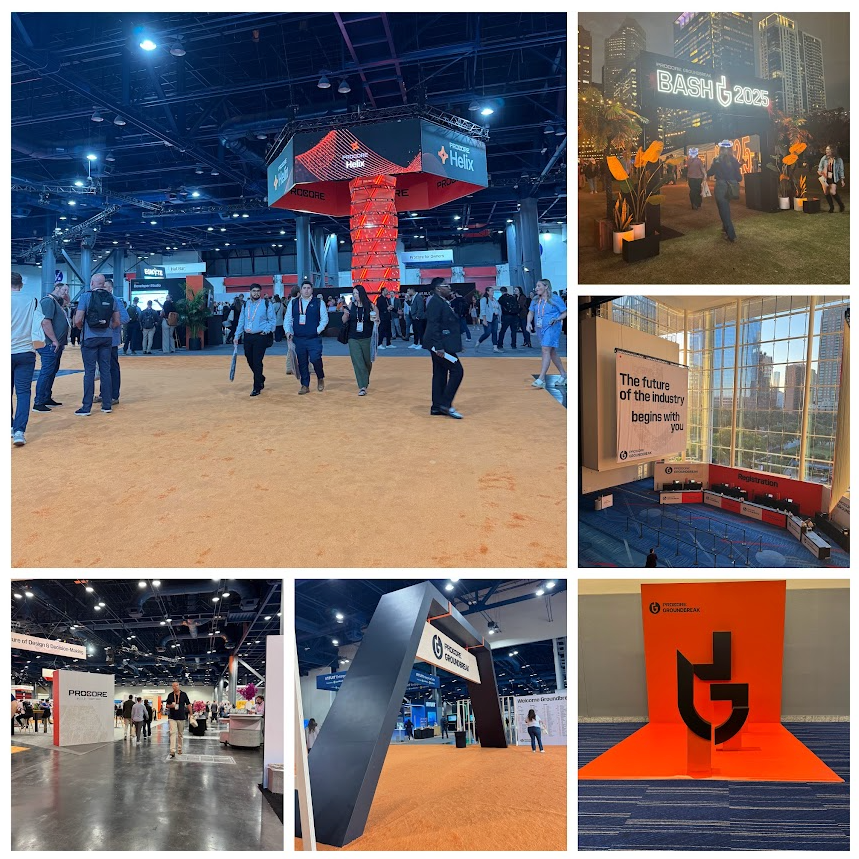
Since then, I’ve run event and field marketing programs across wildly different environments, from high-noise trade show floors like the SEMA Show to industry-specific conferences like Procore Groundbreak. Different audiences, different stakes but the same core problem: most companies treat events like a checkbox instead of a growth channel.
My approach is simple: events should generate pipeline, not just leads.
Building Demand in Field Marketing for Events
That means building demand before the event starts, creating moments that pull people in (not waiting for foot traffic), and turning every interaction into something that can be followed up, repurposed, and measured. It’s part strategy, part execution, and part willingness to do things that feel a little uncomfortable if they get results.
This isn’t a theoretical guide. It’s the playbook I’ve developed from actually running events. This will capture the wins, the mistakes, and the tactics that consistently turn in-person marketing into real revenue impact.
Afterparties, Co-hosting, and Happy Hour Event Collaboration
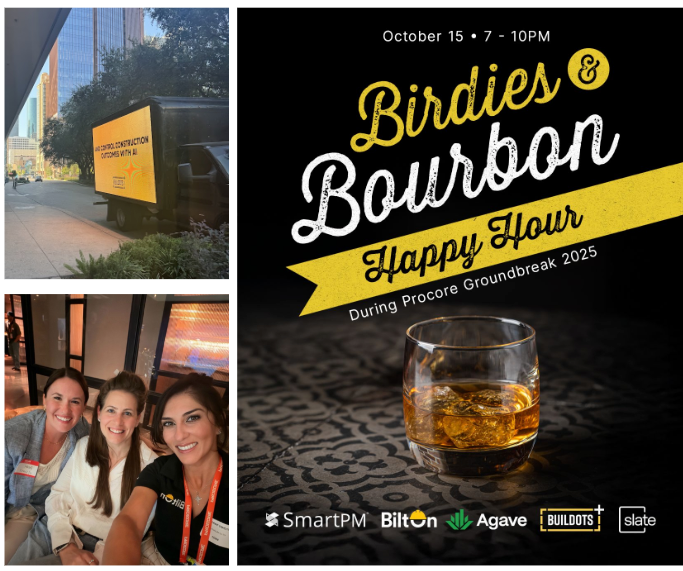
Don’t sleep on the opportunity to join up with other companies for some friendly collaboration. All good marketing is done with connection. Connect with businesses that have the same standard for branding, networking, and engagement to drive opportunities to have more intimate conversations. The great part about co-hosting happy hour type events and after-parties is that the people who come out are generally looking forward to making connections and talking more 1 to 1.
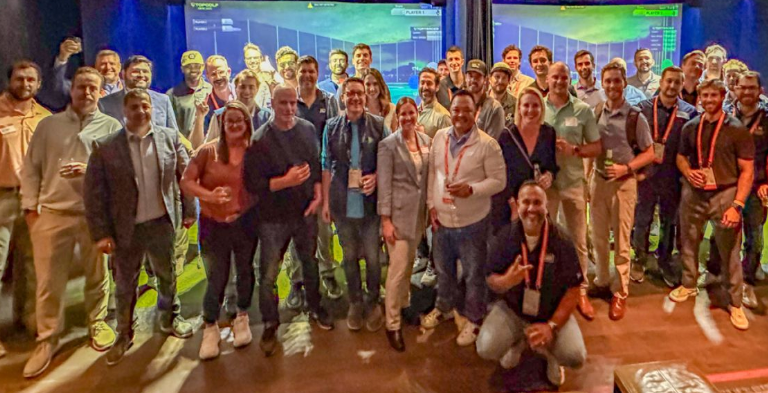
Facilitating a great conversation is key for the sales team to develop relationships. Relationship selling is not only influential but highly effective. There are 3 “liking” principles outlined by Robert Cialdini:
- Take a genuine interest in others
- Recognize shared values or similiarities
- Build trust over time
If the relationship feels forced or transactional, the effect disappears. That is why being genuinely interested, present, and trustworthy is not just a “nice to have” in the sales process. It is vital to drive influence and long term revenues.
“People prefer to say yes to those that they know and like.”
Influence: The psychology of Persuasion by Robert Cialdini
Why Most Event Marketing Doesn’t Drive Pipeline
Did you know that fewer than 1% of event leads convert into closed deals without structured follow up?
Source: https://www.forrester.com/blogs/saying-goodbye-to-mqls-sweet-and-no-sorrow/
If you think that field marketing sounds like easy stuff, I’d invite you to think again. Let’s look at the data:
- 61% of marketers view lead generation as their biggest challenge.
- 34% of salespeople regard lead qualification as their main challenge.
- 62% of B2B companies struggle with lead generation.
- 53% of marketers use half or more of their budget on lead generation efforts.
- 85% of B2B companies name lead generation as the most important marketing objective.
- More than 40% of marketers view the lack of resources as the biggest obstacle to lead generation.
- Around 25% of marketers have hard time calculating conversion rates.
- 79% of leads never convert to sales.
The issue is not events themselves. It is how companies use them.
Most teams focus on:
- Booth traffic
- Badge scans
- Swag distribution
Events are meant to be flashy! They are designed to keep your head turning. Don’t get distracted. Focus on the right things and forget about flashy numbers like booth visits and badge scans. Just because you got rid of an entire box of custom fitted hats and socks doesn’t mean your brand will be forever recognized. There is strategy in swag, brand, and conversion rates; but focus on what drives revenue.
Your team should focus on these revenue generating activities when field marketing for events:
- Pre-event demand generation – have a plan, put it in place. Schedule before you leave.
- Intent driven conversations – it’s not just fluff! Find the key players, study where they will be, what problems they need to solve. Come prepared to add value.
- Pipeline attribution – If you have a solid plan in play, you can start uploading contacts and attribution for events before you step out the door. If it is already in the system, that will make adding notes from the event. Take notes at the event!
- PRO TIP: Use photos as a note taking tool. This has the added benefit of having social content to share across emails, website, and social media accounts after. Tag your friends! It’s a great way to follow up on conversations, too.
- Post-event conversion systems – Use your photos, remember problems that need to be solved, and write down memory joggers so that you don’t forget all of the hard work you put in during the show. Post-event notes should be captured immediately. The longer you go after the show to write your re-cap, the more you will forget the details around conversations. Don’t loose valuable data details!
Field Marketing for Events with Pipeline Acceleration
Events are not lead generation channels. They are pipeline acceleration channels. They build content, create meaningful interactions, and keep engagement when the right people are targeted.
When done right, field marketing for events should:
- Create high intent conversations before the event
- Capture attention and differentiate on site
- Generate content that extends beyond the event
- Convert interactions into measurable pipeline
Sales teams know what they need in order to be successful, marketing supports them with a solid plan that gives them every opportunity to be present. Oftentimes when things don’t go according to plan it can feel like its sales vs. marketing. The emphasis needs to be on keeping the customers buying journey cohesive. If your corporate organization feels like there is too much tension between the marketing flash and the sales pitch, then this starts to create doubt. Don’t give your leads an easy out, keep everything fluid with close communication and clear focus on strategy. Sales and marketing need to be solid, working in tandem.
1. Pre-Event Demand Generation
Most of the ROI from an event is determined before it starts. Instead of waiting for foot traffic, I build a targeted audience in advance:
- Identify high value accounts attending
- Run LinkedIn outreach and paid campaigns
- Book meetings before the event
- Create anticipation with content and messaging
Research from Demand Gen Report shows that companies that schedule meetings before events see up to 3 times higher conversion rates. The goal is simple, show up with a calendar already filling up.
One other key element to research before an event is your direct and indirect competition. Who is a direct competitor and who are the companies that compliment your product the best? By aligning on value propositions, this bit of research can help you stay on-track with messaging and delivering problem/solution content for the sales team.
Pro Tip: Keep a competitive matrix on hand for your sales team that gives a quick overview of who the other key players in the industry are, what they do, how you are different, and key points to mention about each company. This can also help the pitfall of bitter rivals by keeping conversations about competition strictly data-oriented. People appreciate a well educated sales conversation about competition that has substance rooted in facts. Stay up-to-date on announcements, acquisitions, product changes, and know who your friends are in the industry.
2. On-Site Attention and Engagement
This is where most brands blend in. Trade show floors are noisy, crowded, and repetitive. Pattern interruption matters. That does not always mean a gorilla suit, but it does mean:
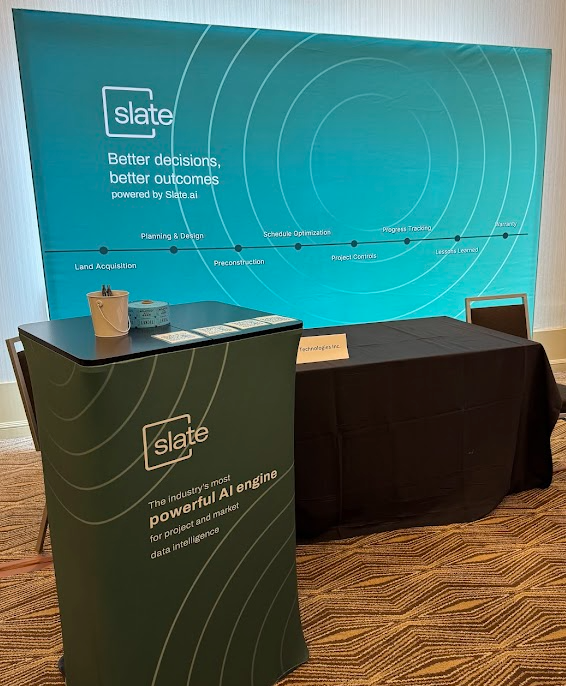
- Having a clear presence on the show floor that is easily recognized.
Branding strategies can help determine how you approach this topic, but as a good rule of thumb it is always a good idea to incorporate light, an approachable layout that is inviting, and keep it clean. One example that I have is the back-list display that I designed for Slate Technologies. No matter where the booth was, it was easily seen because of the beautiful backlight. It was a very recognizable beacon. - Create a reason to stop by and engage to draw meaningful attention.
Don’t gimmick the swag and raffle your heart out, put some thought into your ICP and put yourself in the place of your customer persona. What would they value? Having a screen with a looping video can also help if you are already talking to some one. It may catch attention and hold it long enough for some one to break away and check in. Skip the audio and find a few demo videos to string together for an attractive product loop. - Designing interactive or unexpected experiences to separate you from the other boring exhibits.
Get creative! Put your best foot forward and show that you know what you are doing and you are the best. Don’t hide behind a table or be occupied on a screen the entire time. Stand out and be approachable. I’ve seen everything from delicious smelling pop-corn machines, fresh-baked cookies, custom engraving, 3D prints, caricature drawings, custom heat-press hat patches, and interactive games to loop people in. Make it part of your story and be memorable! - Train teams to start conversations, not pitches.
People on the show floor value connection and good conversation. They already know you are selling something, so appeal to their curiosity and stay open to conversations that can develop relationships that are memorable. I think it goes without saying that your booth should be approachable, so get your sales team on their feet!
At events like the SEMA Show, where hundreds of brands compete for attention, the companies that win are the ones that create moments, not just presence. As Ricky Bobby says, if you aren’t first, your last!
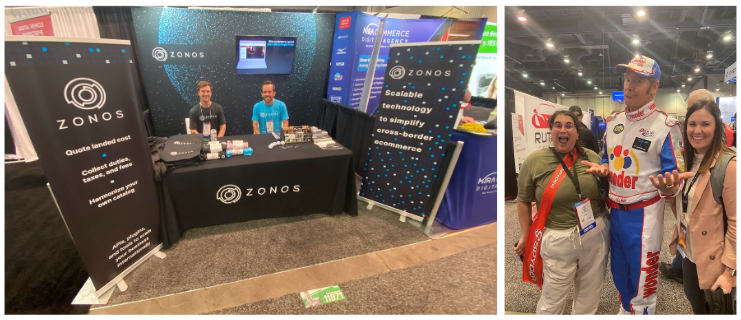
The goal is not more traffic. It is better conversations. If I can facilitate a great conversation, then I’ve done my job.
3. Content Capture and Distribution
Every event is a content engine. Instead of treating events as isolated moments, I turn them into ongoing marketing assets:
- Record interviews with customers and prospects.
Don’t be shy! Ask for a picture, bring a tripod and get a group picture, document speakers, customers, and highlight high-profile speakers. Don’t waste your time at the event, capitalize on the content opportunities all around you. - Capture live reactions and insights.
Set up a feedback cycle with a QR code, ask people what they are looking for and why they chose that event. Get curious and get the data! - Film short form content for LinkedIn.
Take small videos while walking to the show, during sessions, while you are on the floor. Capture short form videos to combine into short form video for social media and keep on hand to help build b-roll for other video projects. - Document key conversations and themes.
Keeping detailed notes at shows helps to drive creativity. Capitalize on the creative engine and thought leadership that is all around you. Pay attention to competitors, other vendors, and do your home work. What sessions are the most popular? What are people buzzing about during morning coffee? Would you attend this event again in the future? What would you do differently next time to optimize performance and engagement?
According to Content Marketing Institute, marketers who prioritize content during events see significantly higher engagement and post-event ROI. This extends the lifespan of the event from a few days to several weeks or months.
4. Post-Event Pipeline Conversion
This is where most companies fail. Leads are collected, then neglected. In order to capture ROI and build KPI’s around events, the follow up needs to be prioritized. This is where the preparation, note taking, pictures, video, and content generating engine kicks into gear.
My approach focuses on structured follow up:
- Segment contacts based on intent and conversation quality.
The more you incorporate meaningful details into your follow up outreach, the more the people you connected with will feel comfortable reciprocating and engaging. Show that you listened to them! - Personalize outreach within 24 to 48 hours.
Don’t sleep on your leads! They are excited, but tired. Don’t make them work too hard to find you and connect with you after the show. Have an email waiting for them so that you stay top of mind, but don’t overwhelm them with too much data. Keep it simple and concise. - Connect sales teams with context, not just contact info.
Take notes. Let me say that again. TAKE NOTES! The more data you can capture with your leads and contacts, the better! If its too hard to take notes, whip out your phone and do a quick voice note. Whatever it takes to ensure those details do not get lost in the shuffle. - Use content from the event to re-engage prospects.
This is your fuel for nurture campaigns, social media, blog posts, SEO, and media archives. Store your b-roll, ensure your lists are uploaded to your advertisement platforms for re-marketing and re-targeting data. Use the event as a level-up to add to your marketing archives and fuel up your marketing campaigns.
Data from Harvard Business Review suggests that responding to leads within one day can increase conversion rates significantly. Speed and relevance win here.
Metrics That Actually Matter for Field Marketing
If you cannot tie events to revenue, they will always be questioned. Events are an investment of time, money, and lots of resources but when done correctly they drive faster engagement. At one of the companies I worked with, the sales cycle was taking our team over 6 months from engagement to close a contract. After doing some carefully research and brilliantly executed shows, TTV was 60 days. Other deals were on track to close in just 30 days.
In marketing, ROI isn’t always straight forward, but there are good ways to measure the data. Here is what I track:
- Pipeline generated and influenced
- Meetings booked and completed
- Cost per opportunity, and cost per lead (but this one still nuanced and the organization needs to have “lead” clearly defined for sales clarity)
- Content performance post-event
- Sales feedback on lead quality
- Prospect, Contact, Lead, MQL, and SQL conversion rates
- Number of demos booked and executed by the sales team
Vanity metrics like booth traffic or total scans do not tell the full story. In order to paint an accurate picture of how an event performed, the details around engagement activities and how the team put them into action is critical.
Real-World Application and Final Takeaway
At large scale events like the Procore Groundbreak, the biggest wins often come from:
- Pre-booked meetings with decision makers
- Strengthening relationships with existing pipeline
- Capturing industry specific insights that fuel future campaigns
At unconventional events, like the quilting event where I wore the gorilla suit, the lesson was different but just as important: Attention is earned, not given. Both experiences reinforce the same principle, differentiation drives engagement, and engagement drives pipeline.
Field marketing for events is not about showing up and hoping for results. It is about designing a system that creates demand, captures attention, and converts interest into pipeline. The tactics can vary, the industries can change, but the framework holds.
And sometimes, if the situation calls for it, that framework includes a gorilla suit.
Field Marketing for Events is a Revenue Strategy
Event marketing only works when it is treated as a revenue strategy, not a visibility exercise. The difference comes down to intention. When you build demand before the event, create meaningful engagement on site, and follow through with structured conversion, events shift from a cost center into a measurable pipeline driver. Without that system, even the most well attended events fall flat.
The most effective field marketing strategies are not built on volume, they are built on relevance and timing. A smaller number of high quality conversations, supported by context and timely follow up, will consistently outperform thousands of passive interactions. This is where most teams miss the opportunity, they focus on capturing attention, but fail to convert it into momentum.
At the end of the day, strong field marketing for events is not about playing it safe. It is about making deliberate choices that stand out, resonate, and convert. Sometimes that looks like a well executed campaign, sometimes it looks like showing up in a way no one expects. Either way, the goal remains the same, turn moments into measurable business impact.
Looking for a field marketing expert to consult for your team? Let’s talk or visit my profile on LinkedIn to see more.